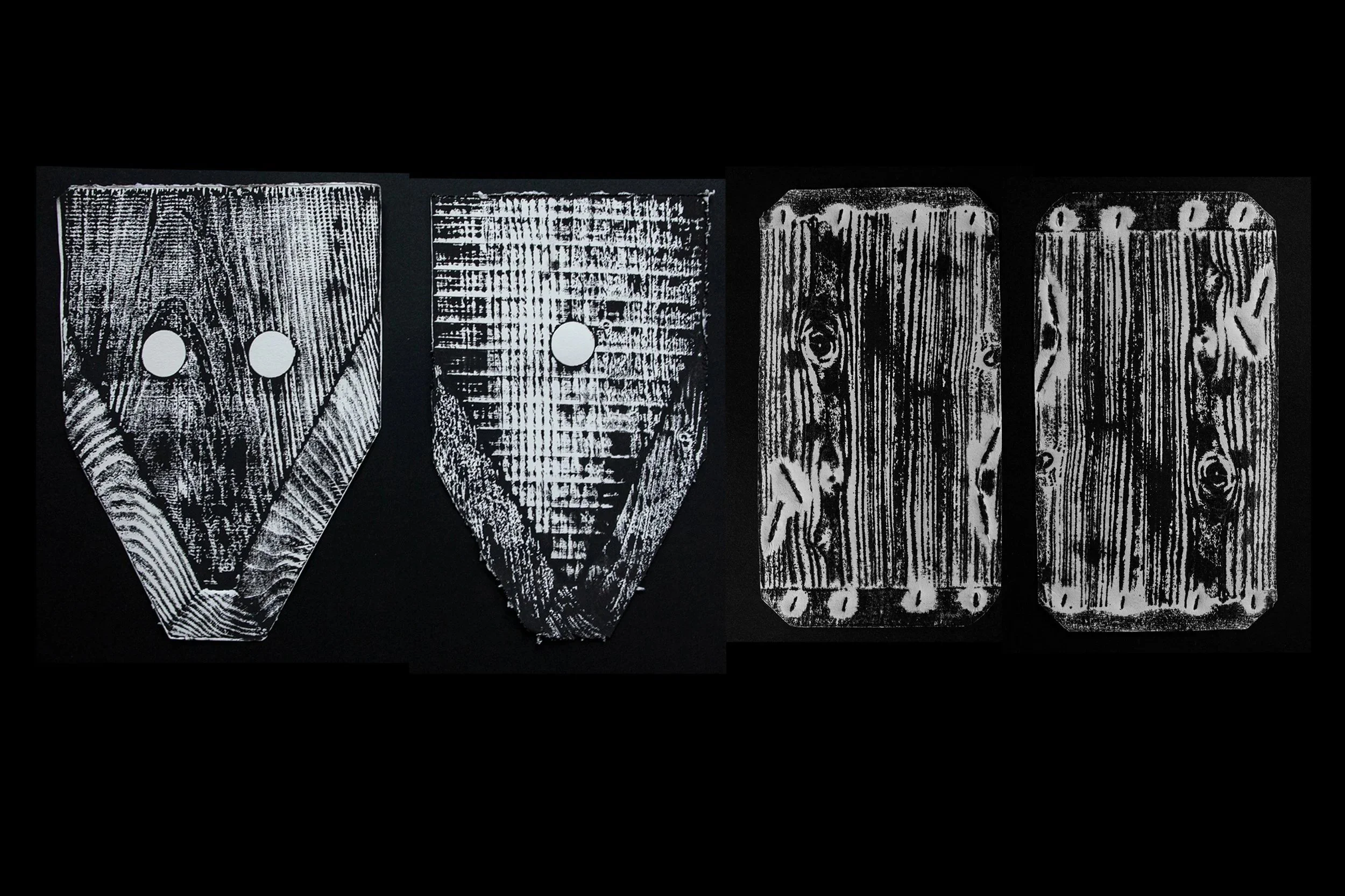
In the period 2022–2025, I developed the project in-situ photo-graphics, which explores printmaking and photography as spatial and temporal practices through site-specific work with materials from natural, cultural, and industrial landscapes. The research focuses on the development of hand-print techniques and photo-transfers on stone, wood, and architectural surfaces, as well as on understanding materials as carriers of time and space. The project establishes a model of printmaking as a spatial and temporal practice, linking photographic inscription, hand-printed imagery, and the material context of place.
This page does not present finished works. It gathers direct printing reference images created in diverse locations I encountered in recent years and consider important at this moment. The documentation highlights an ongoing research process and evolving methodologies.
The works represent various attempts to trace space — in nature, in the city, and in suburban environments. Many of these interventions remain unpublished; they function as material and conceptual tests that gradually lead toward more concrete spatial representations / evolve into larger spatial works.
Experimentation is fundamental to this process: working with site-conditioned materials, including surfaces considered “impossible” to print on, discarded fragments, or elements found on abandoned grounds.
Traditional printmaking techniques, typically used in studio settings with machinery, are here translated into manual processes, preferably using what I call the “ink of the space.” What interests me is the challenge of tracing what initially seems unprintable or resistant — and then fixing that trace permanently.
In larger formats especially, the act of printing becomes performative, requiring physical presence, balance, and control over the body in relation to unstable ground and shifting material conditions.
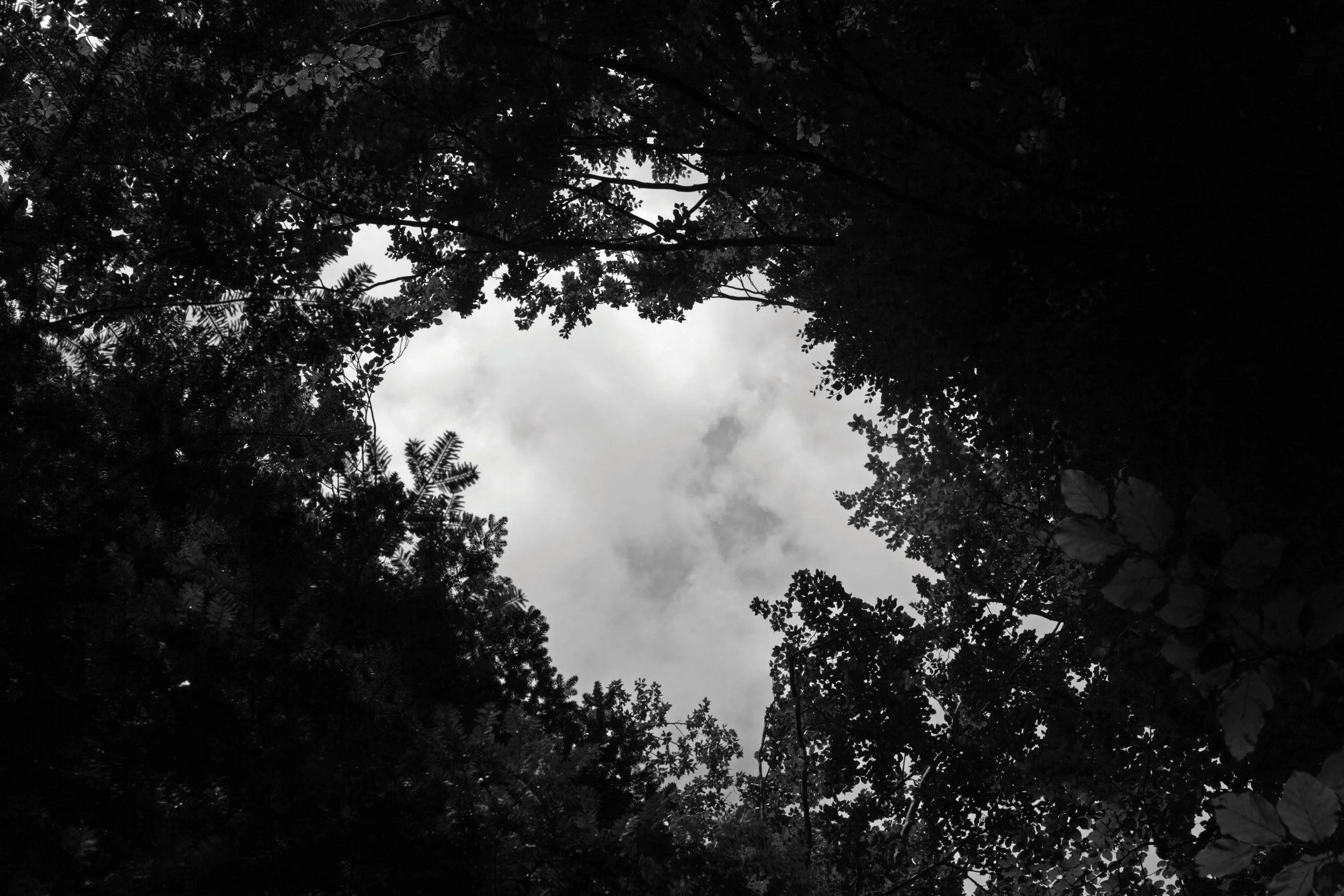
A Tree Story
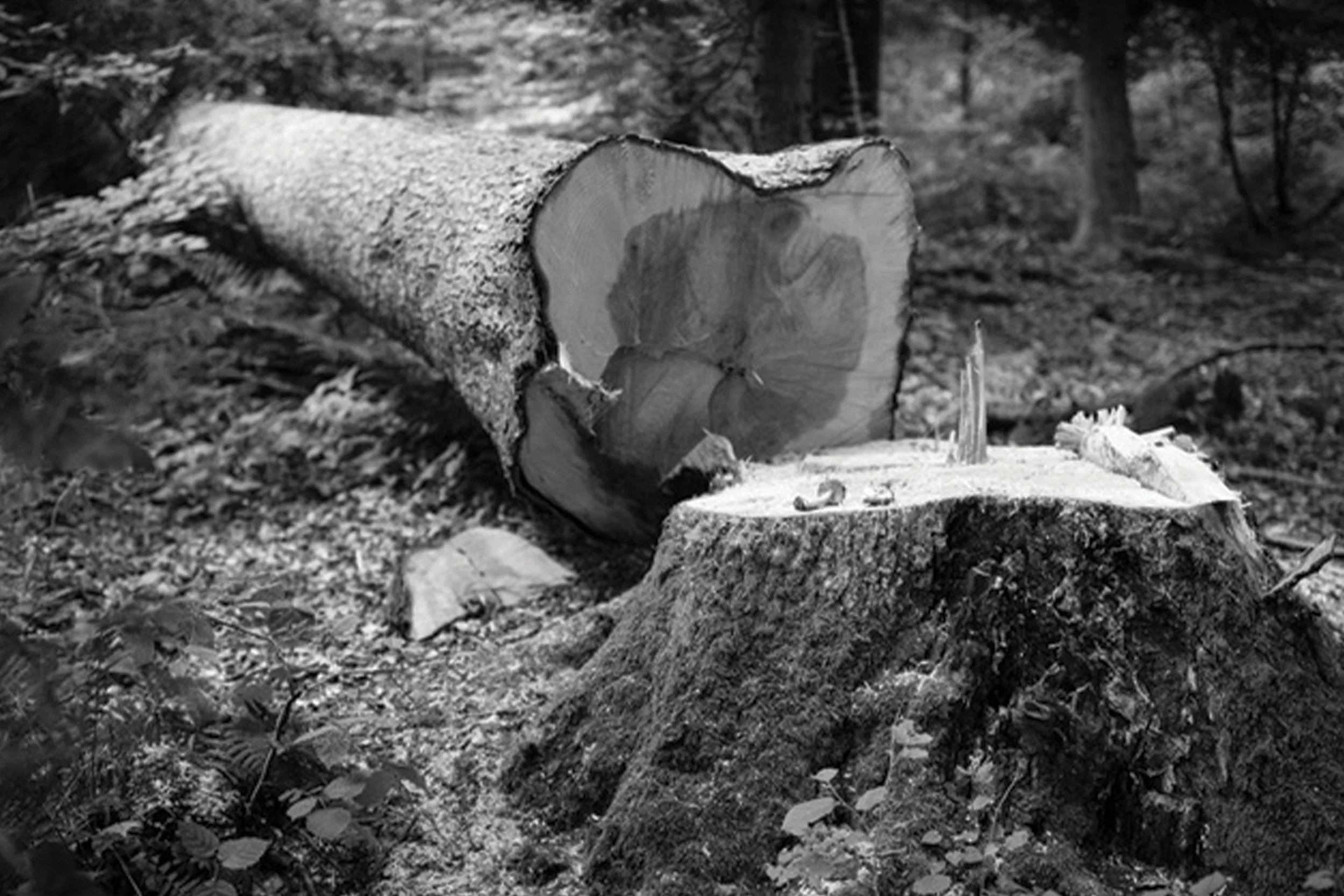
Reference images document a long-term artistic inquiry into the tree as a conceptual axis, examining time, embodied perception, and human existence across media.
The Brinar Fir (Abies alba Brinar) represents the first manual graphic print realised directly in situ in Rakitna. Conceived as a hand-printed intervention on site, it stands both as an independent project and as the starting point of the in-situ print methodology that continues in later works.
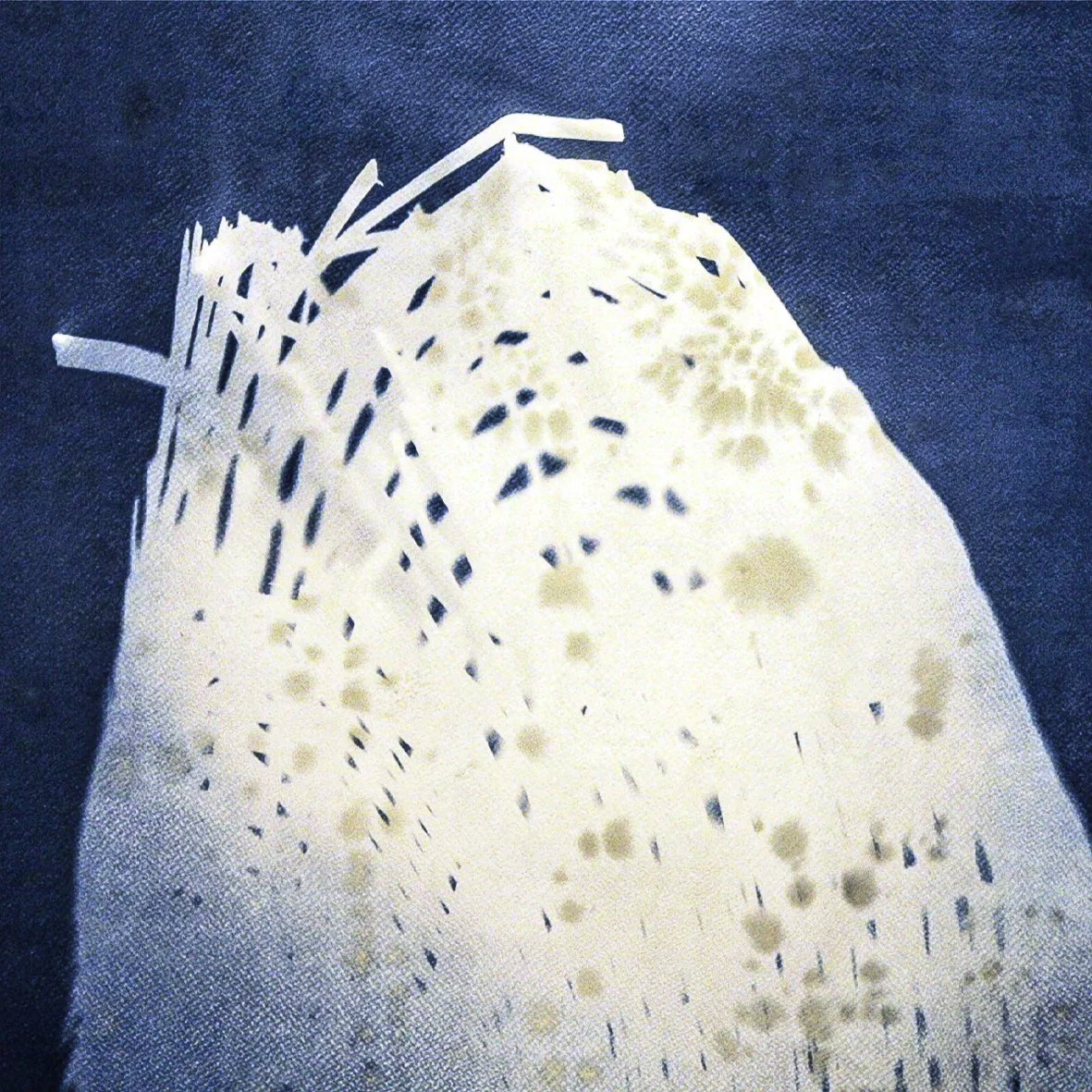
Walking – Histories in Ice & In-Situ Cyanotype
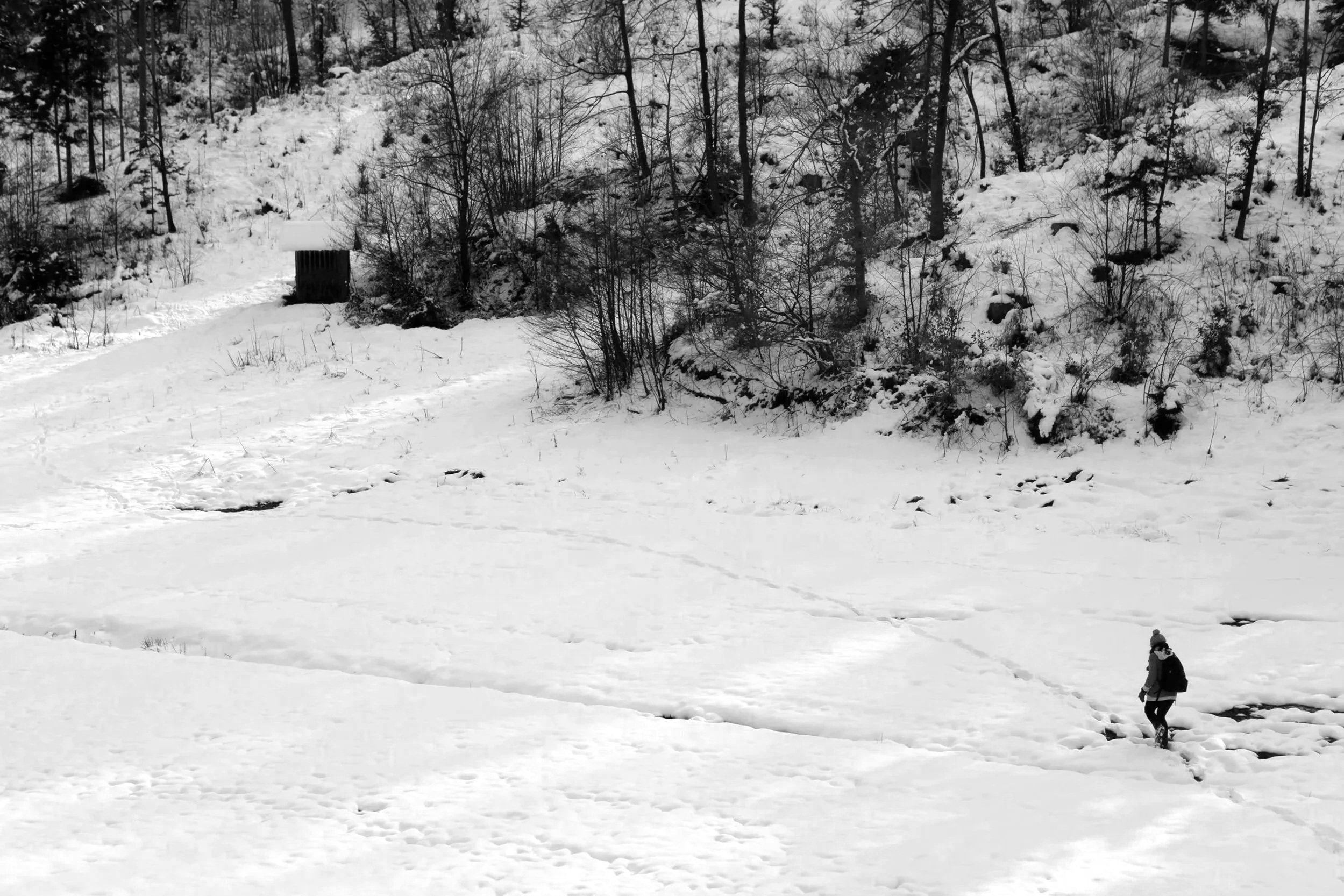
This section presents two parallel practices developed through walking as a research method.
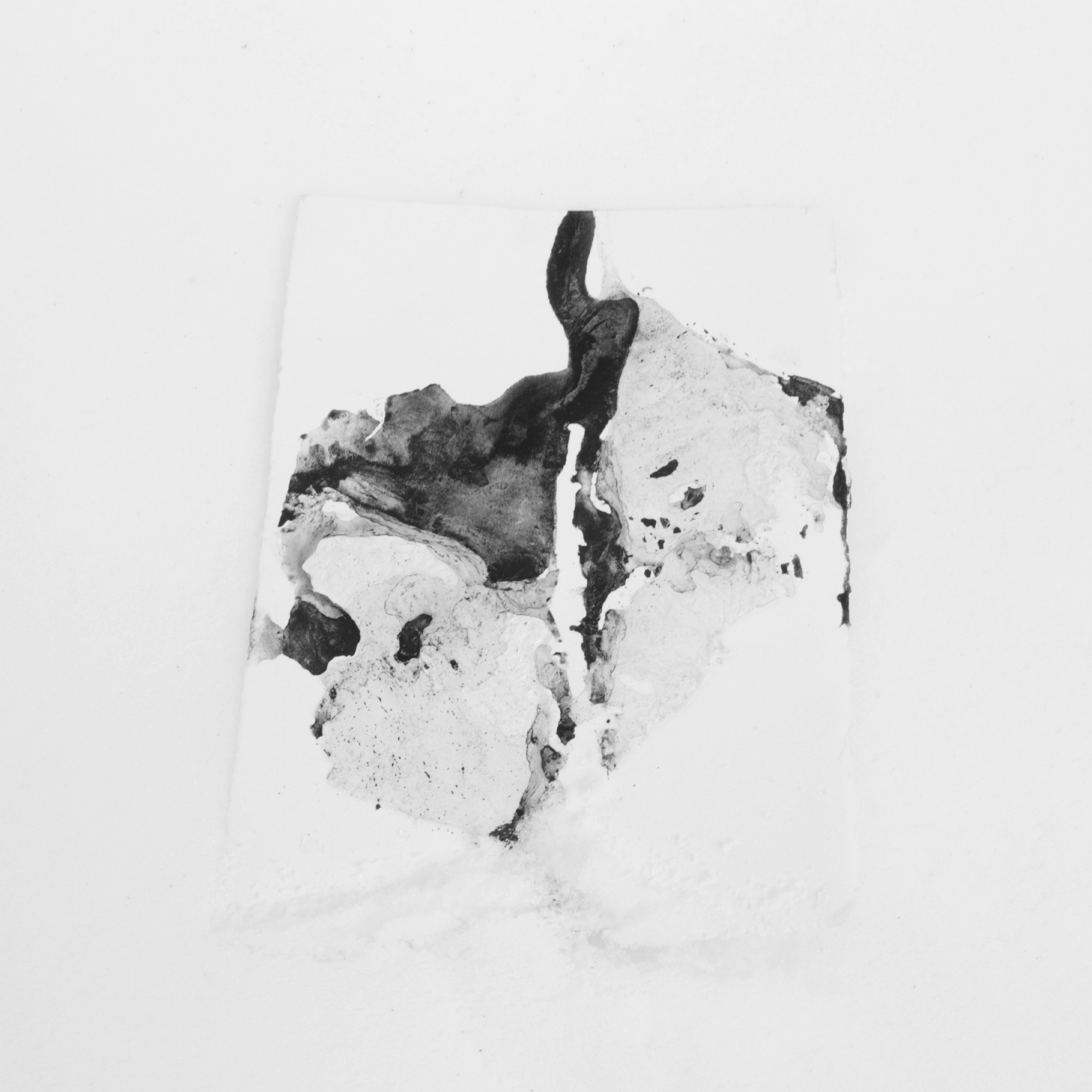
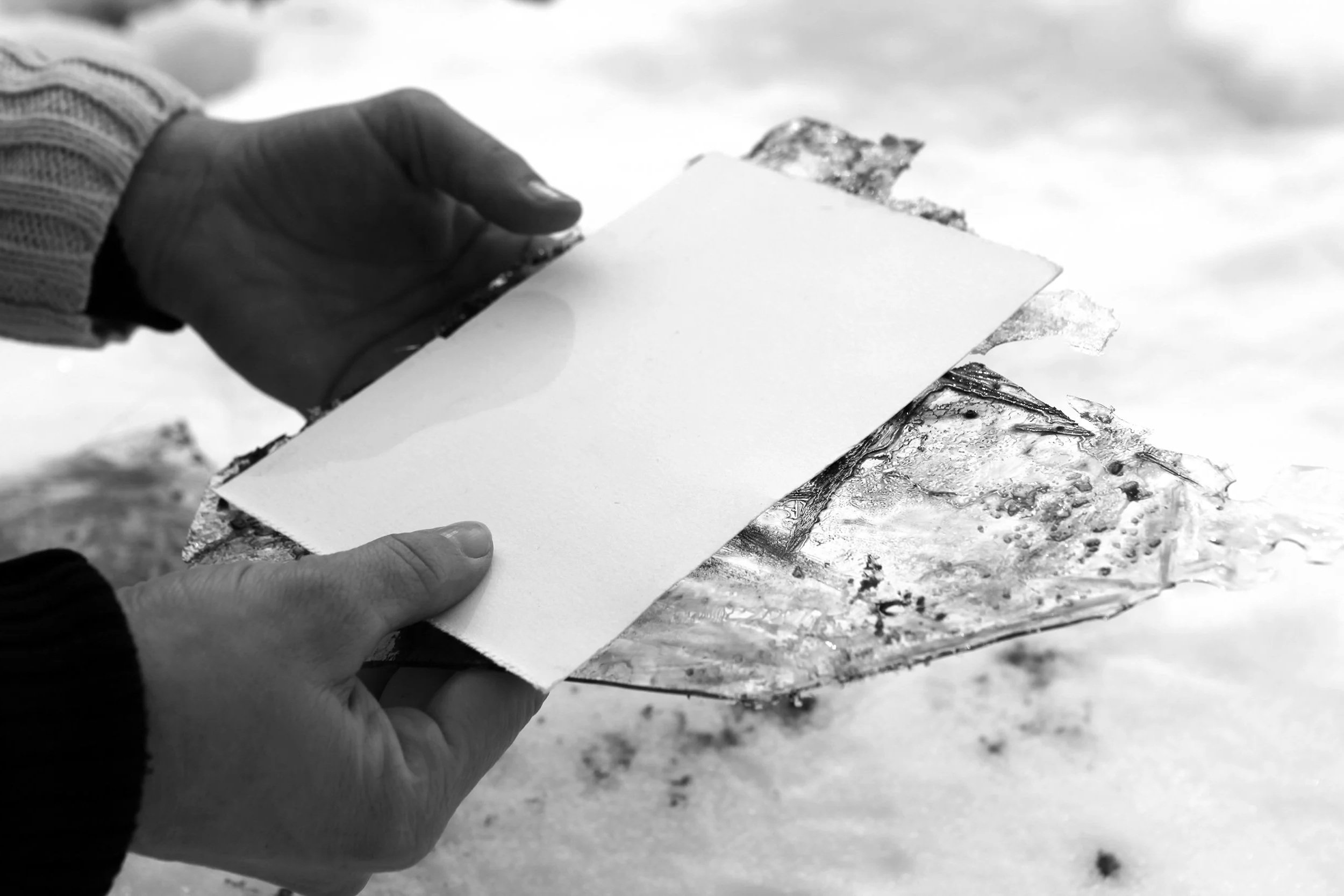
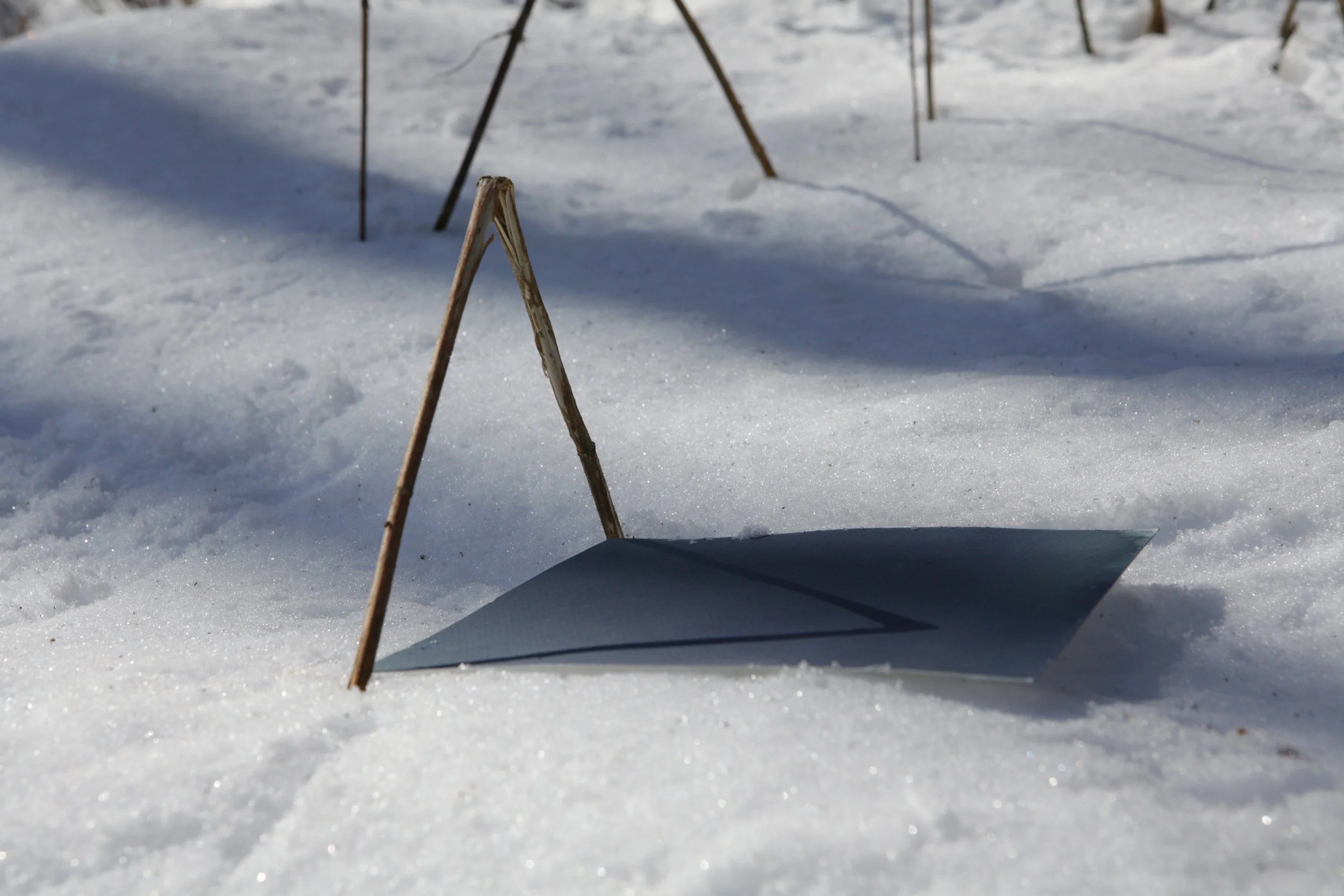
Histories in Ice consists of hand impressions of ice made during walks, recording temporary states of frozen surfaces encountered in the landscape. In-Situ Cyanotype involves collecting three-dimensional found materials during walks and exposing them directly to light on site. The process registers the spatial and light conditions of the environment, transforming found elements into photochemical traces.
Both practices emerge from movement through space, where walking becomes a method of observation, encounter, and material inscription.
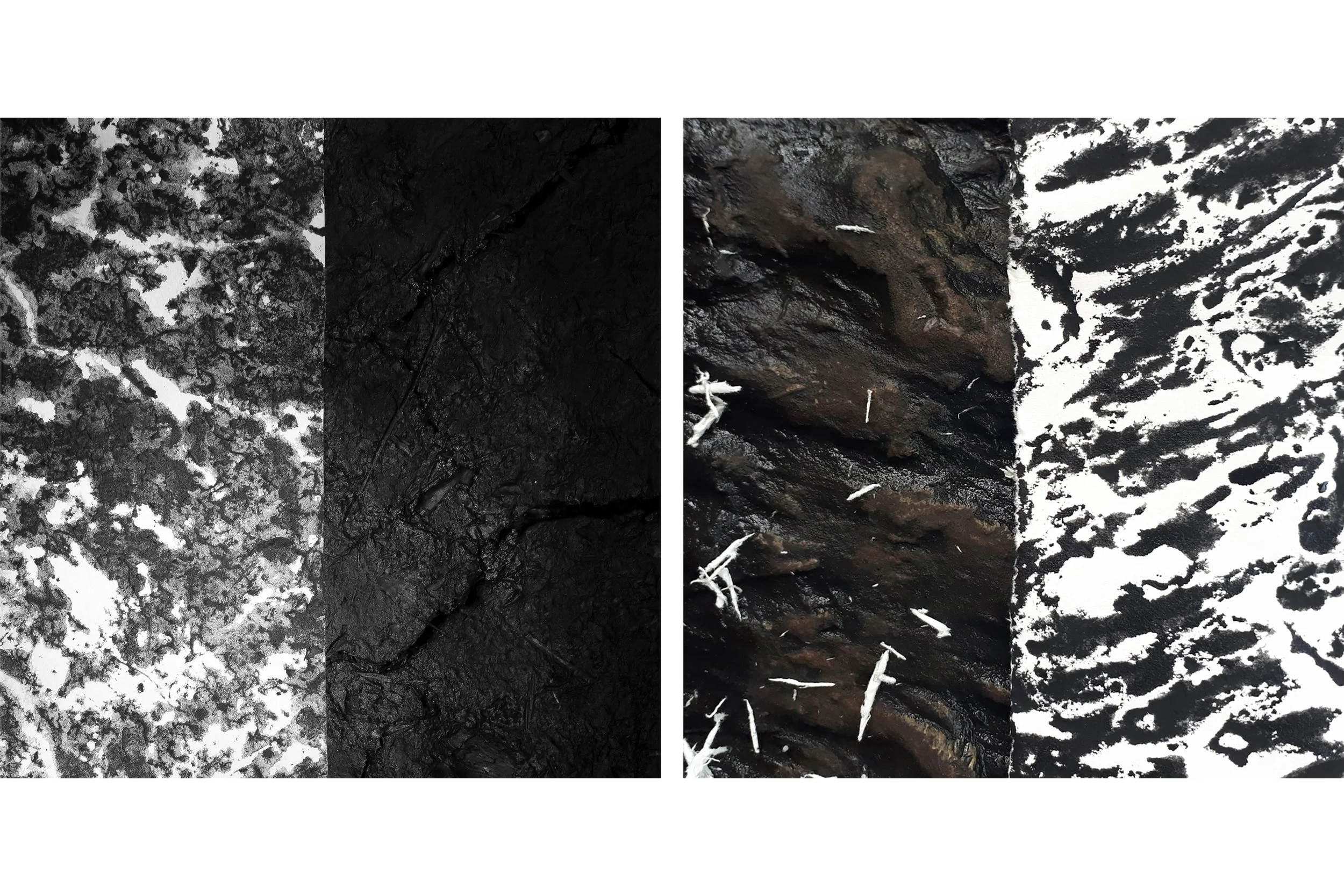
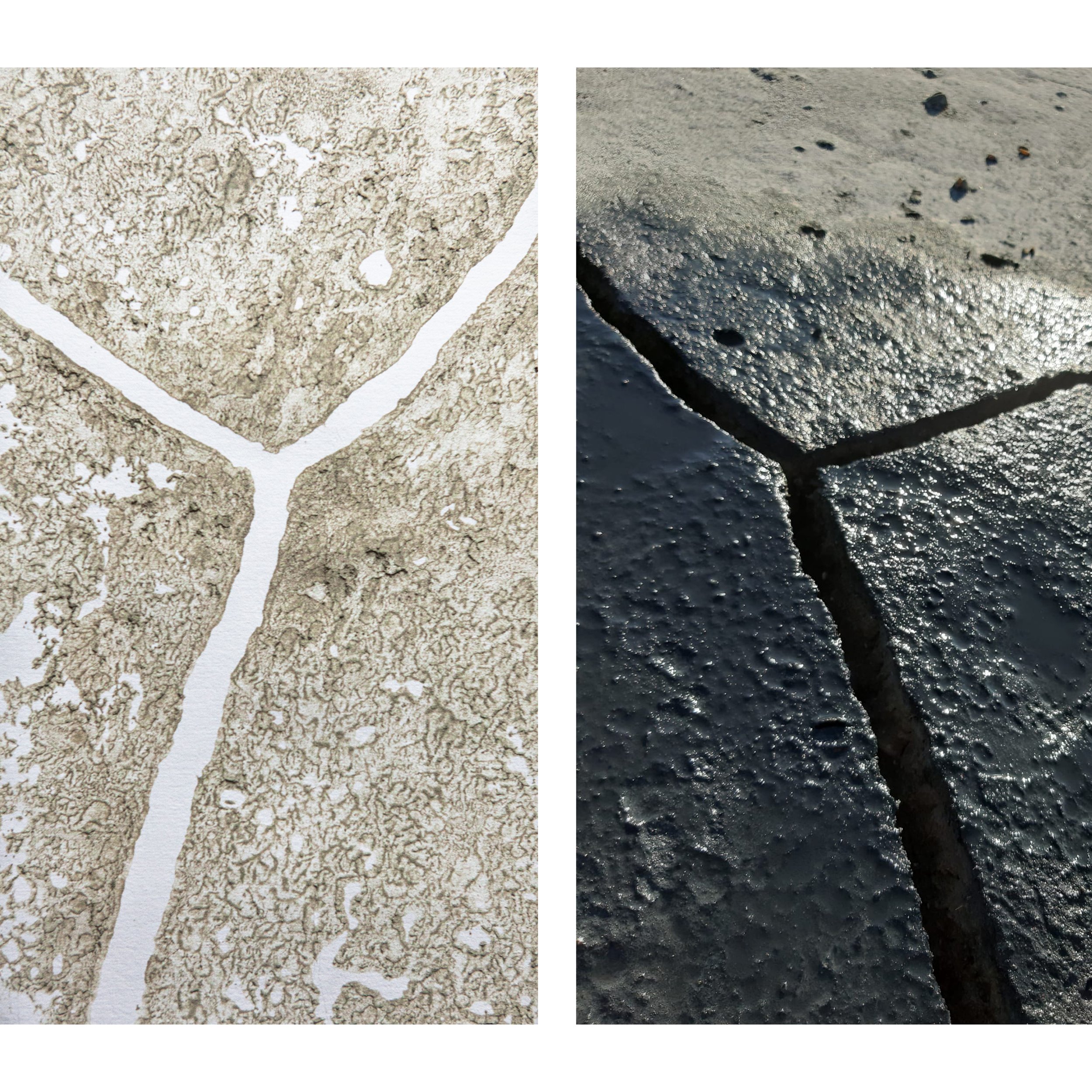
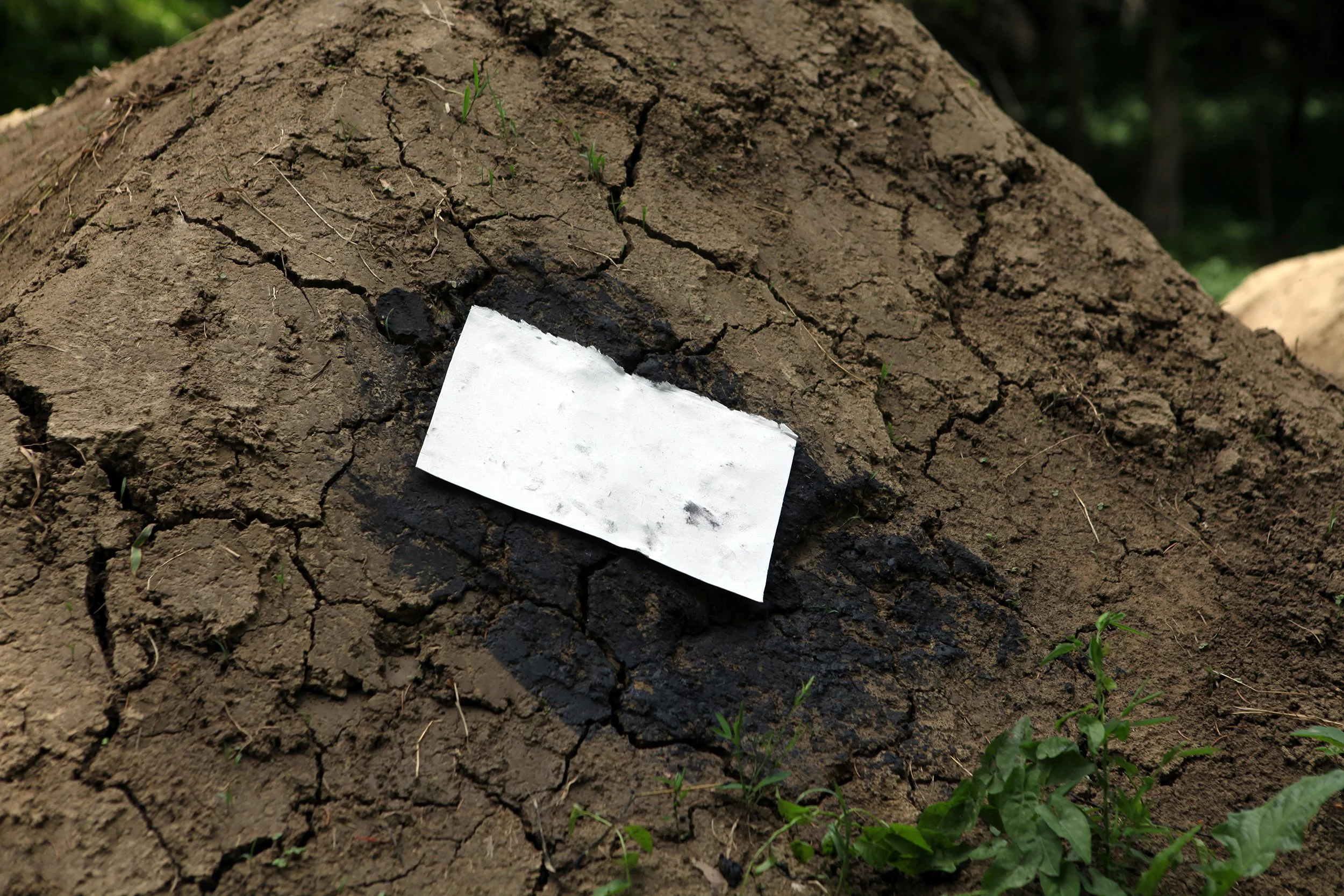
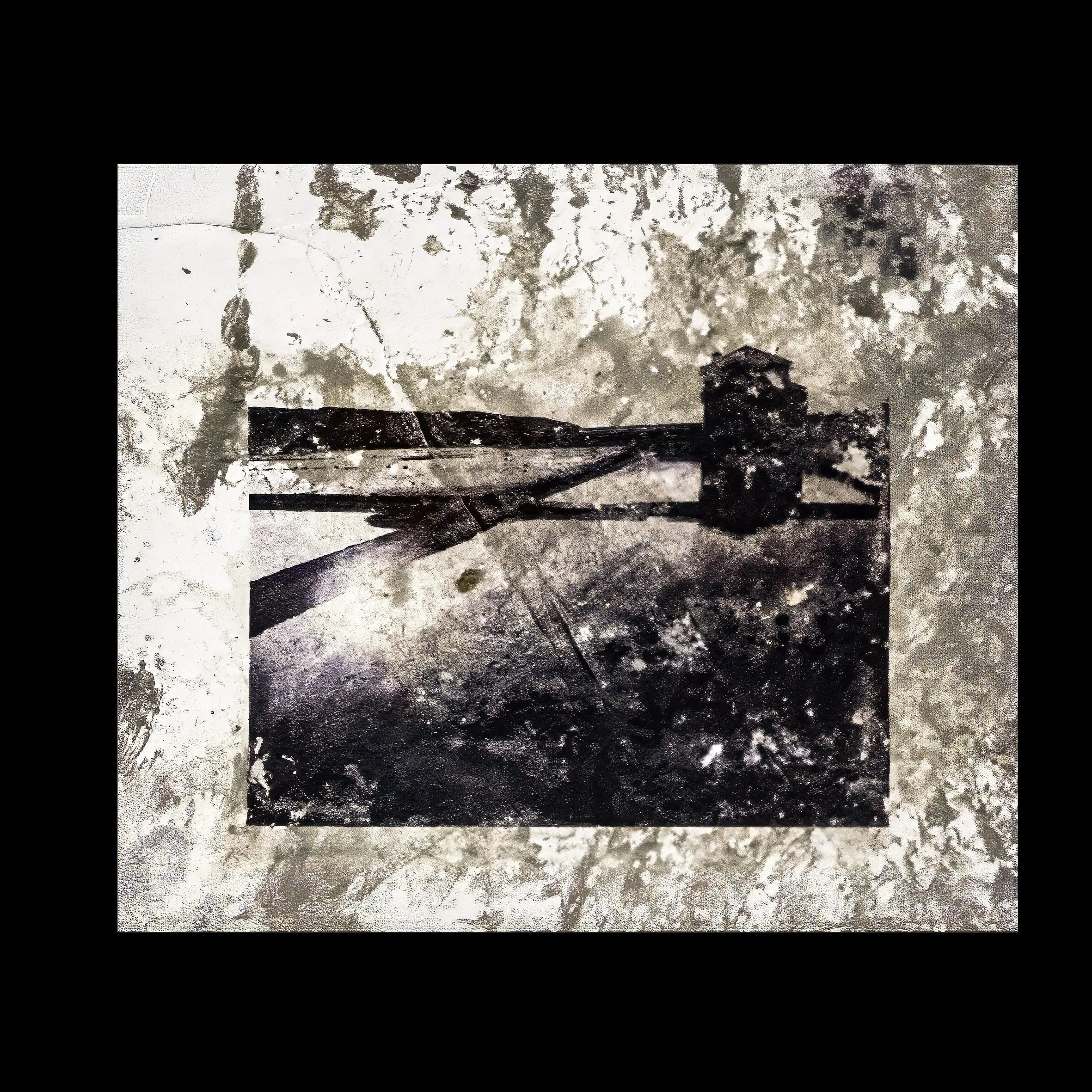
Earth – Cracks – Full / Empty: In-Situ Frottage, Sečovlje Salt Pans
In the dried salt basins of the Sečovlje Salt Pans, printing was carried out directly on the cracked surface of the terrain.
The act of printing on unstable, fragile ground — where the salt mud literally sinks under the weight of the body during the process — led to a conceptual shift. This physical condition became the basis for Unstable Ground — a performative print idea that examines balance, bodily control, and the contemporary human condition through the act of printing on unstable terrain.
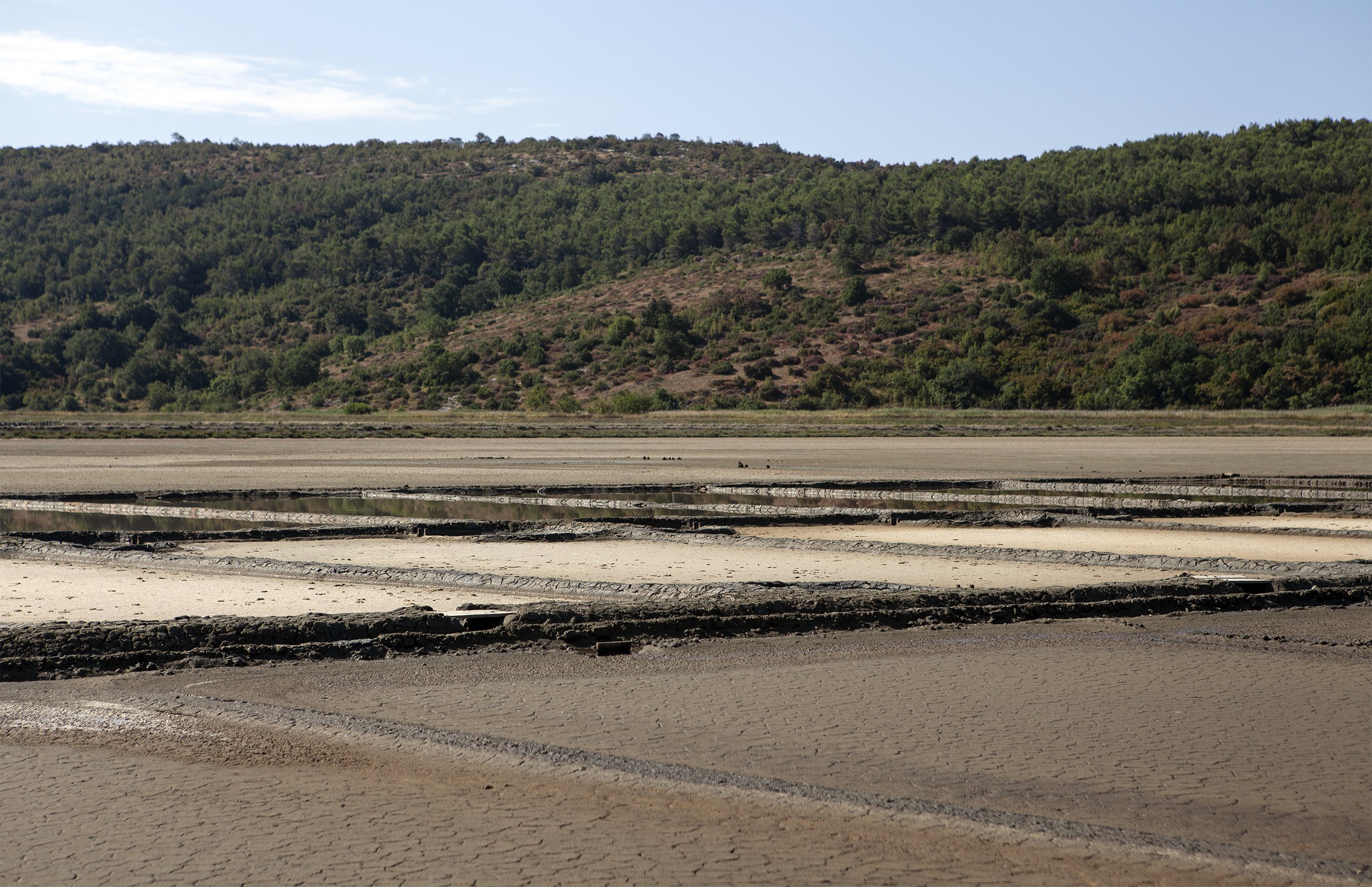
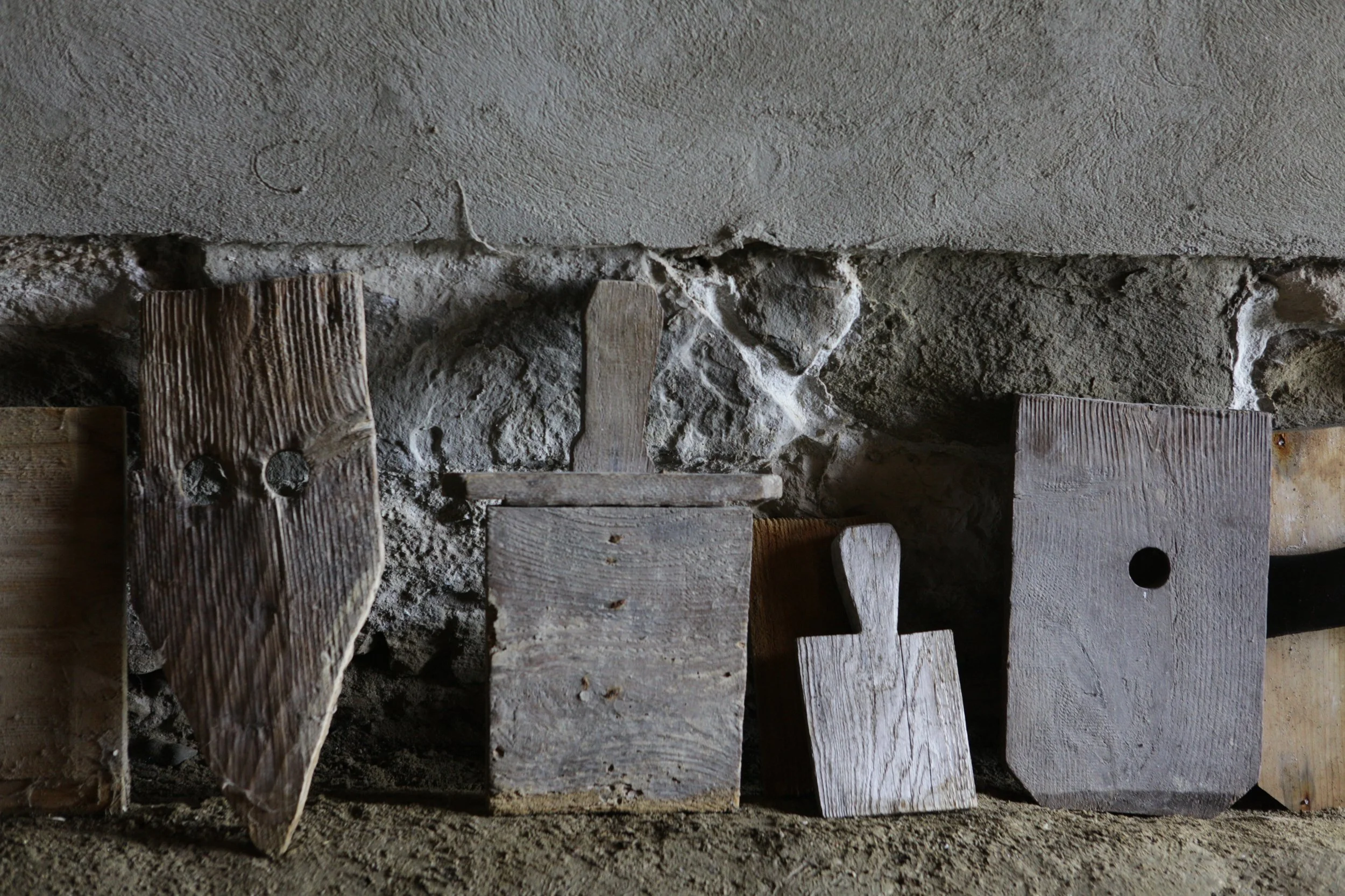
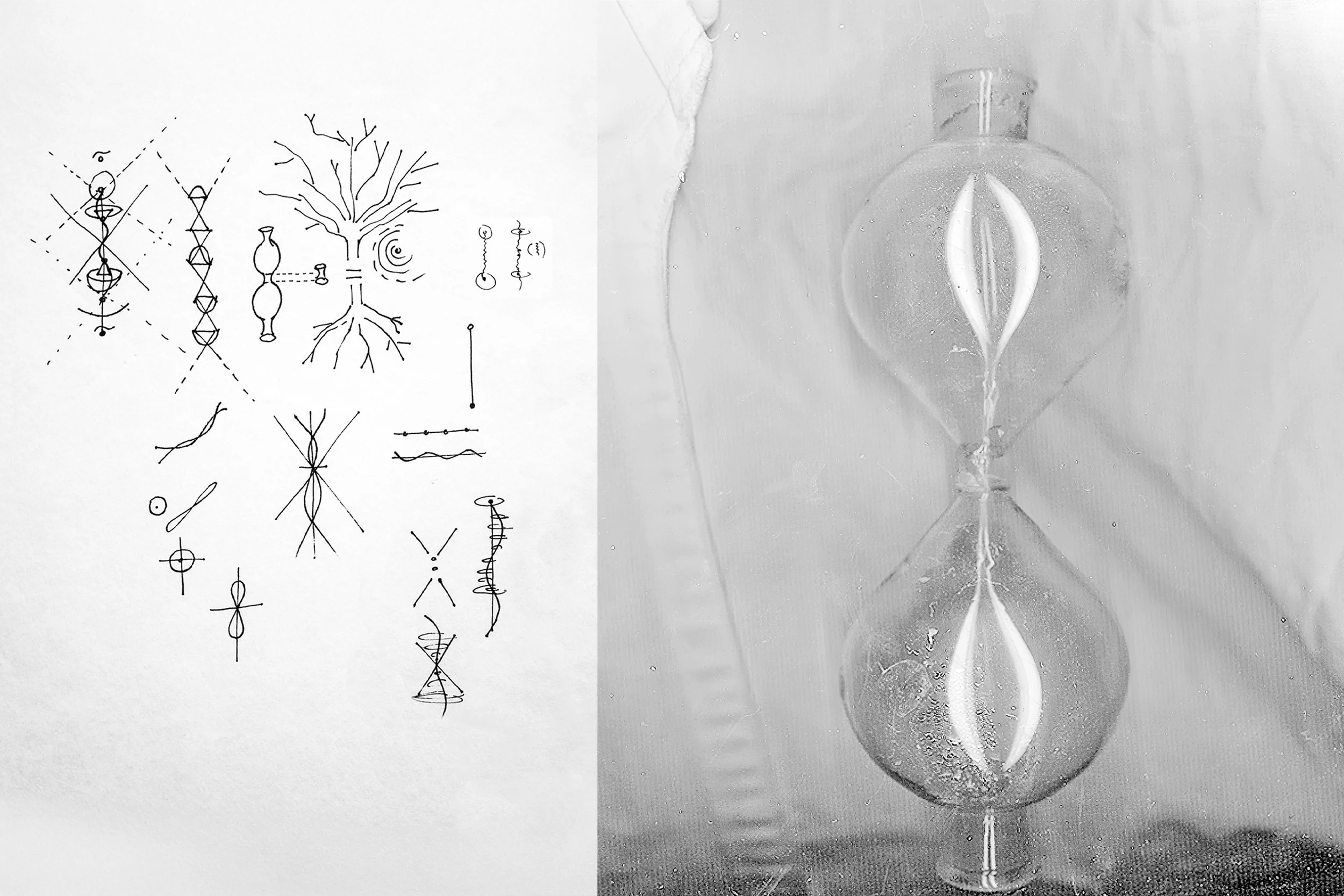
Frottage of tools and experimental hybrid print-photographic processes documented at the Salt-Making Museum.
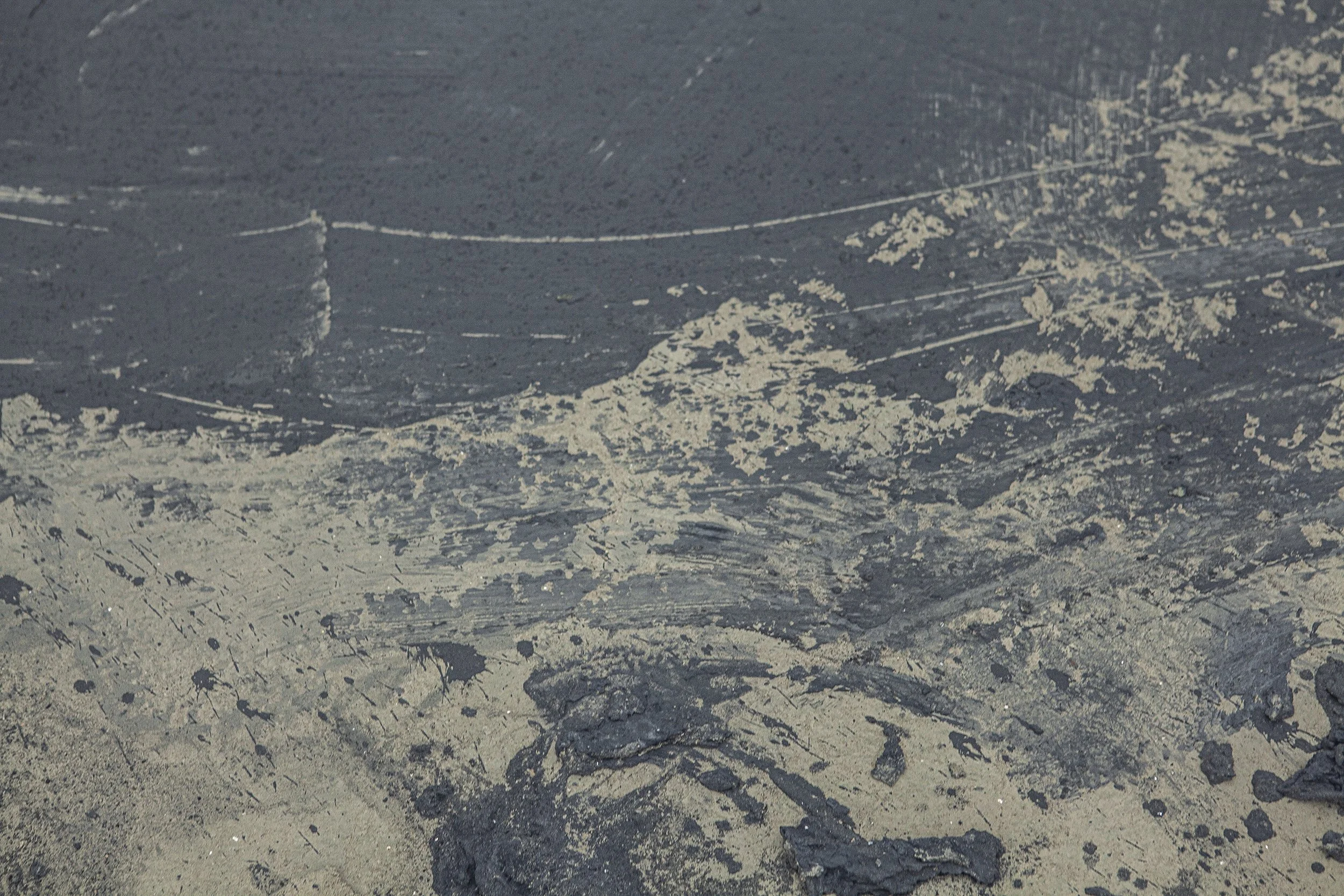
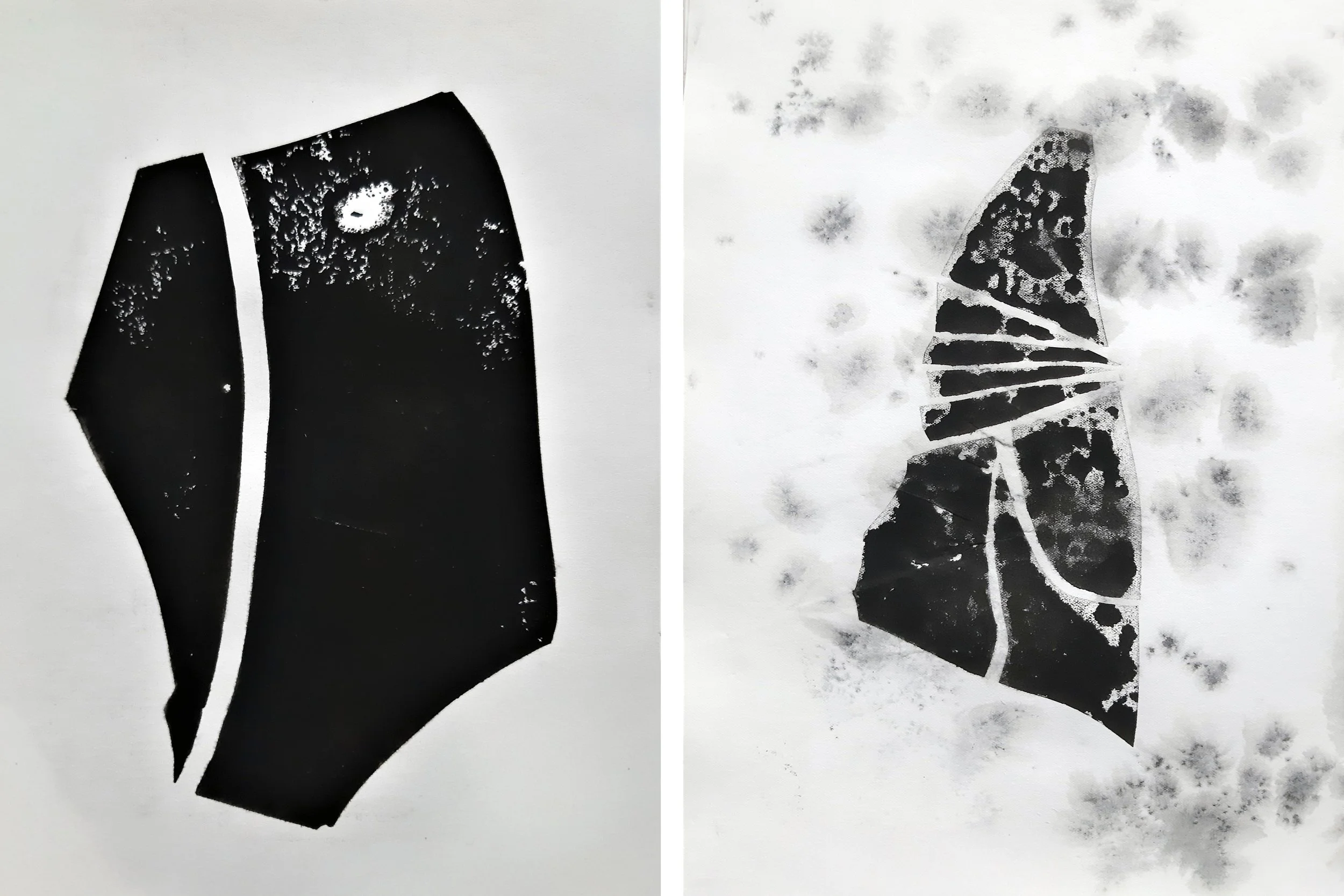
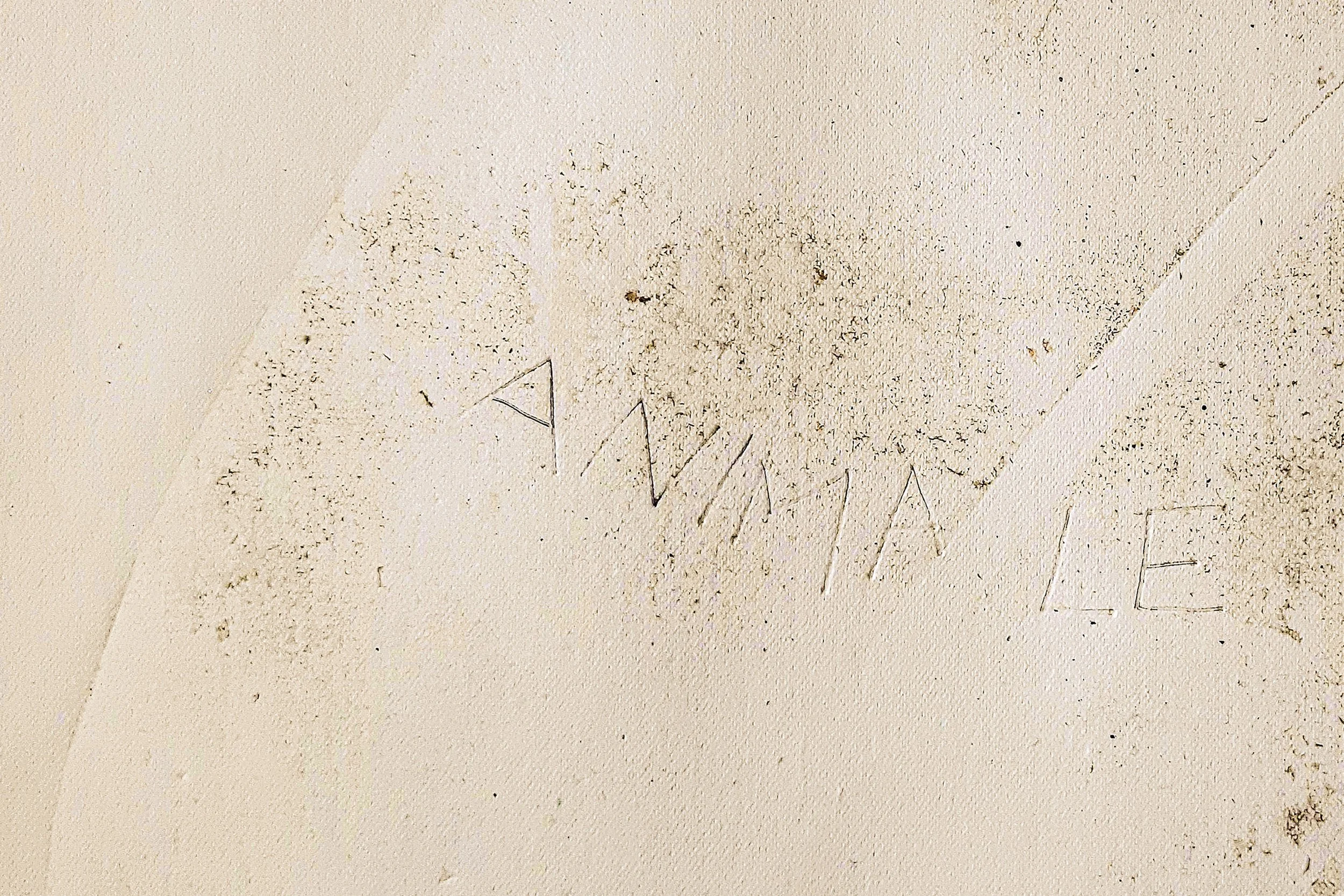
Hand Impressions of Dust on Broken Glass – MAAM Metropoliz, Rome
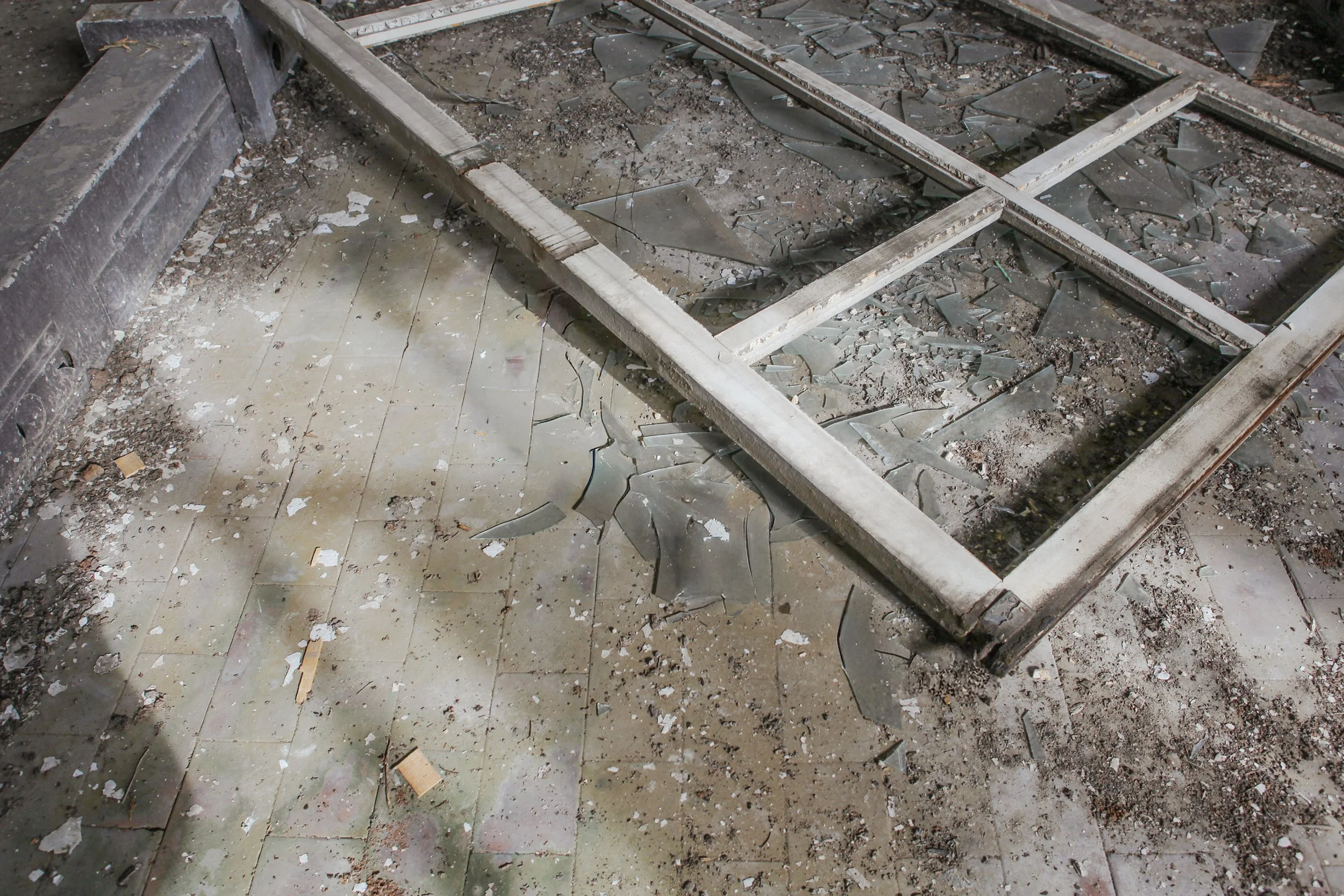
Documenting the first successful prints made by lifting accumulated dust from broken glass in the abandoned section of MAAM Metropoliz.
Dust, as a material that gathers over time, is treated as a fragile temporal surface. It cannot be carved or constructed — it can only be lifted, transferred, or inscribed. The act of pressing paper onto the dusty glass becomes both a print and a gesture of preservation.
The process explores dust as sedimented time: a material trace that records duration, absence, and presence through direct contact. The gesture is reduced to the minimum: to touch, to lift, and to preserve what already exists.
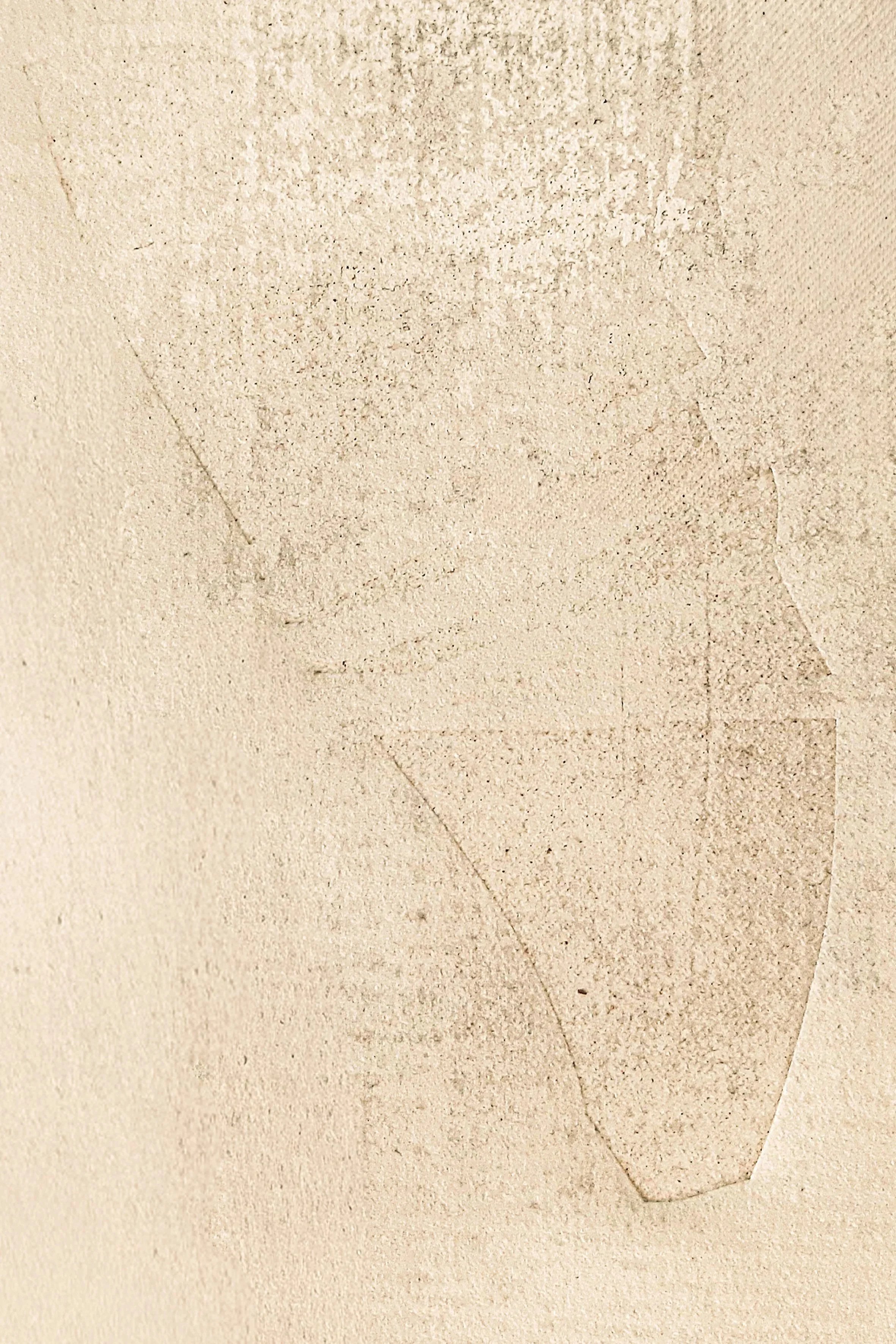
Hand-Coloured Glass Impressions – MAAM Metropoliz, Rome
This step continues the glass printing experiments by applying water-based relief ink directly onto broken glass and transferring it onto paper.
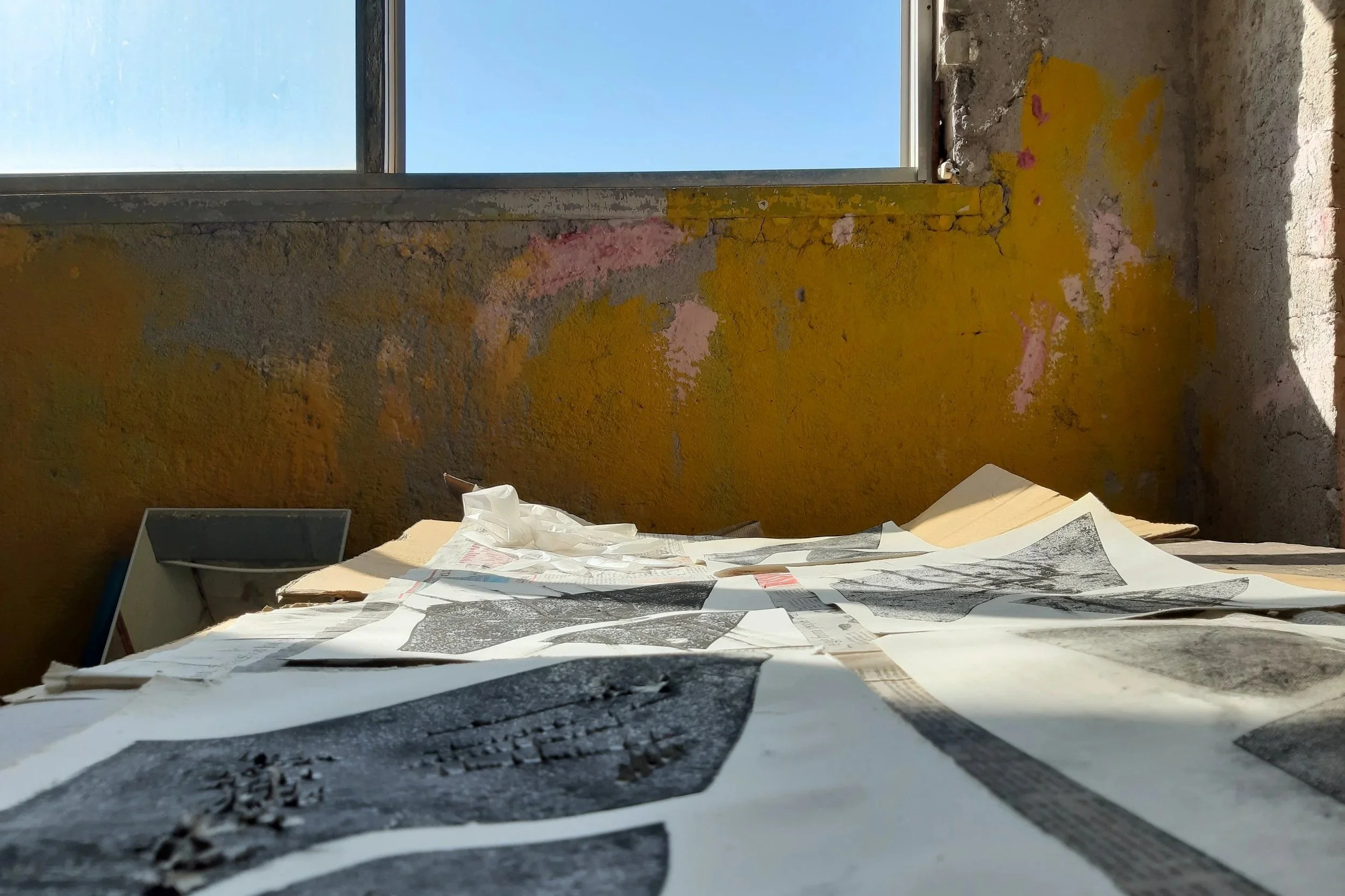
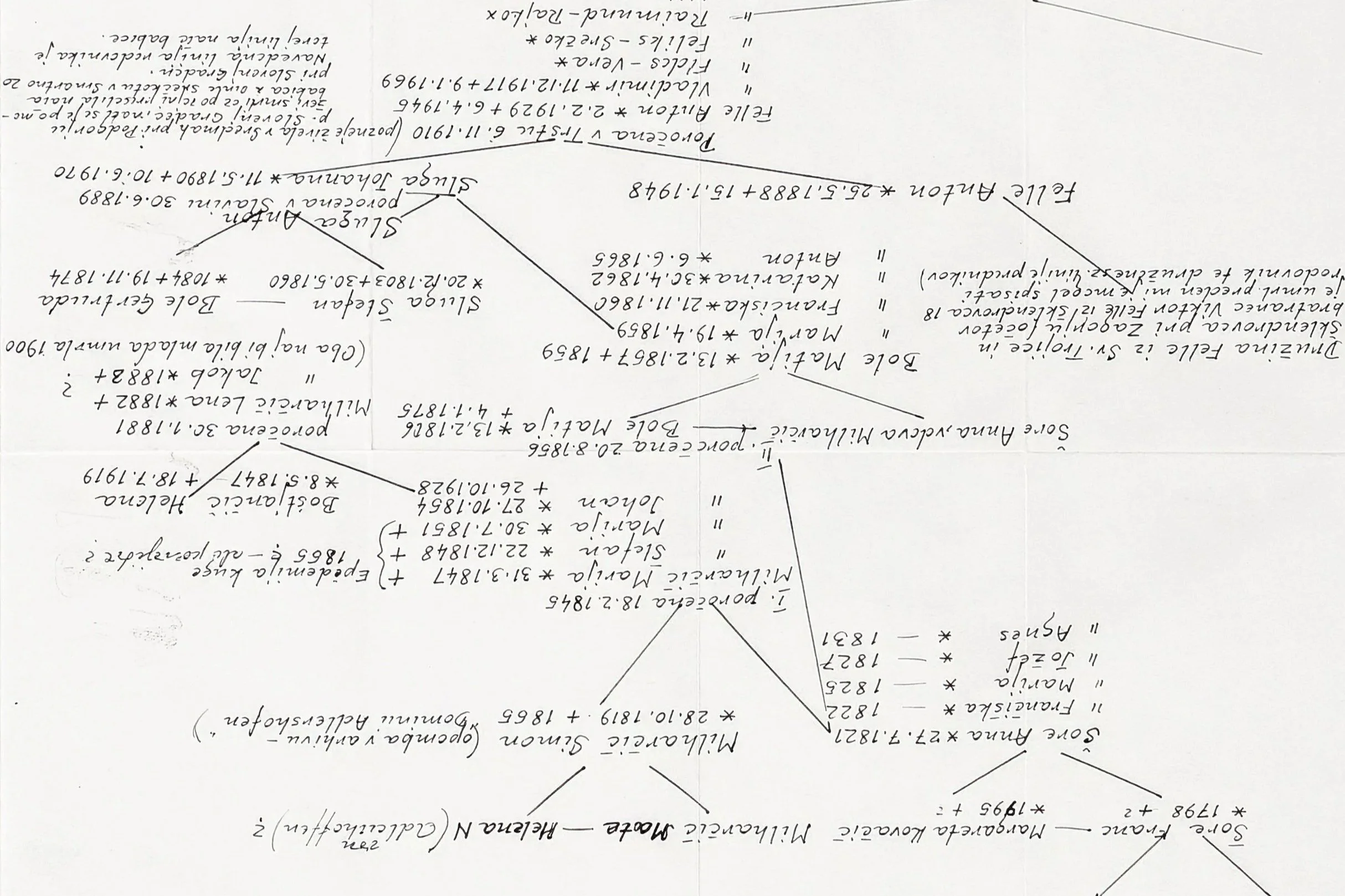
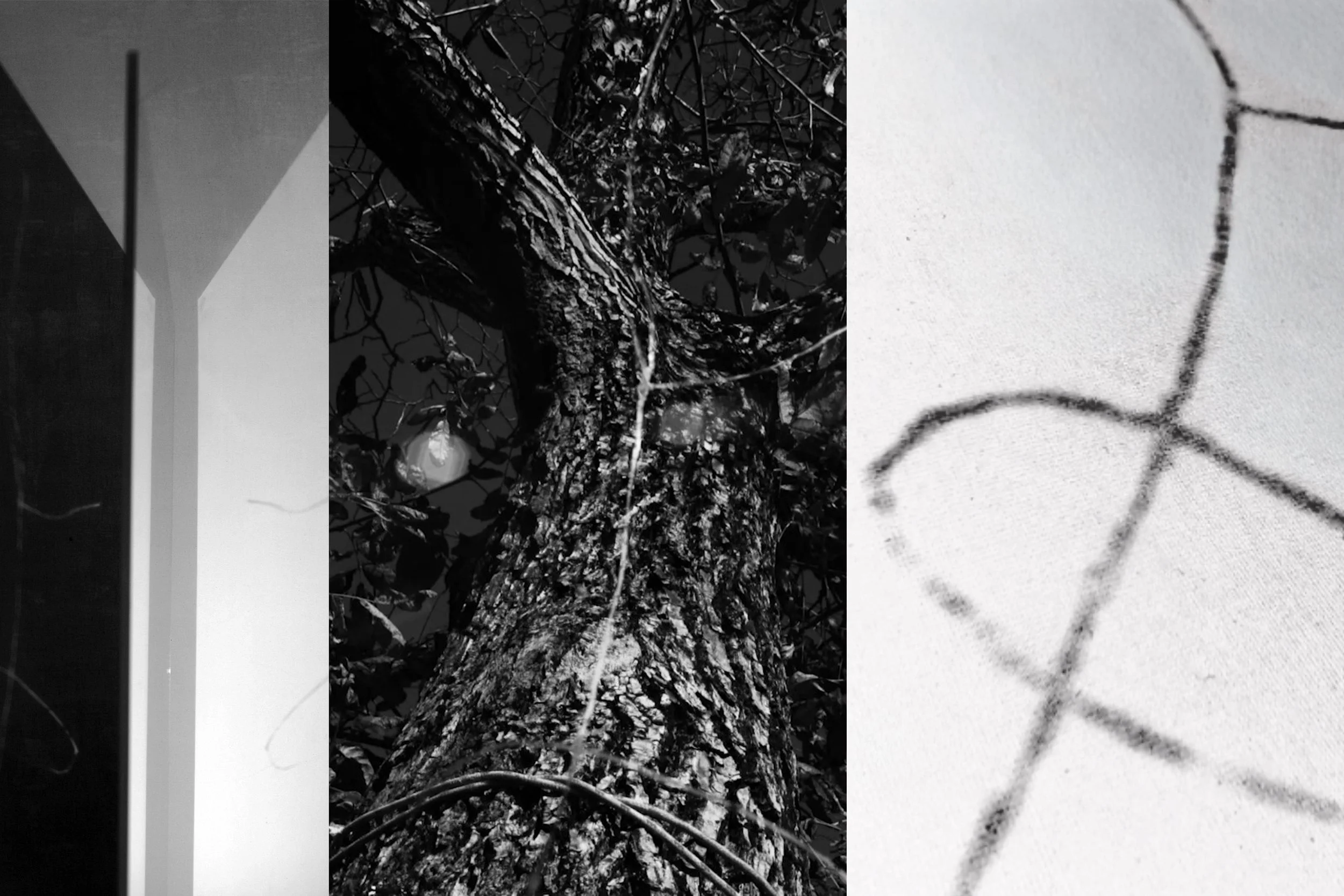
Manual Photo Transfer of a Digital Image onto Paper – MAAM Metropoliz, Rome
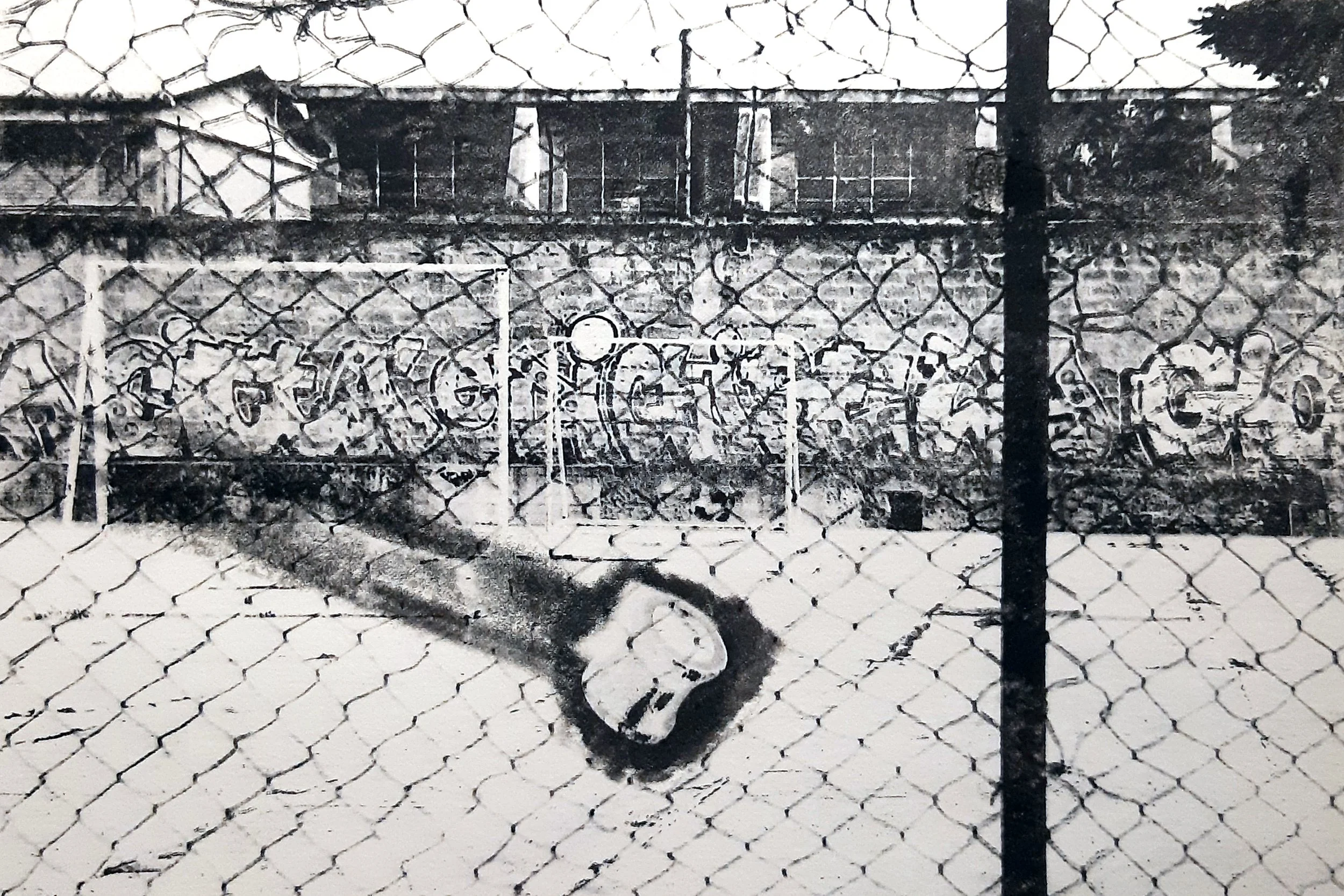
This technique involves the manual transfer of digital photographs onto paper, using images created during the research period at MAAM Metropoliz as part of the CSF Adams residency in Rome.
The process shifts the digital image back into a physical, manual procedure.
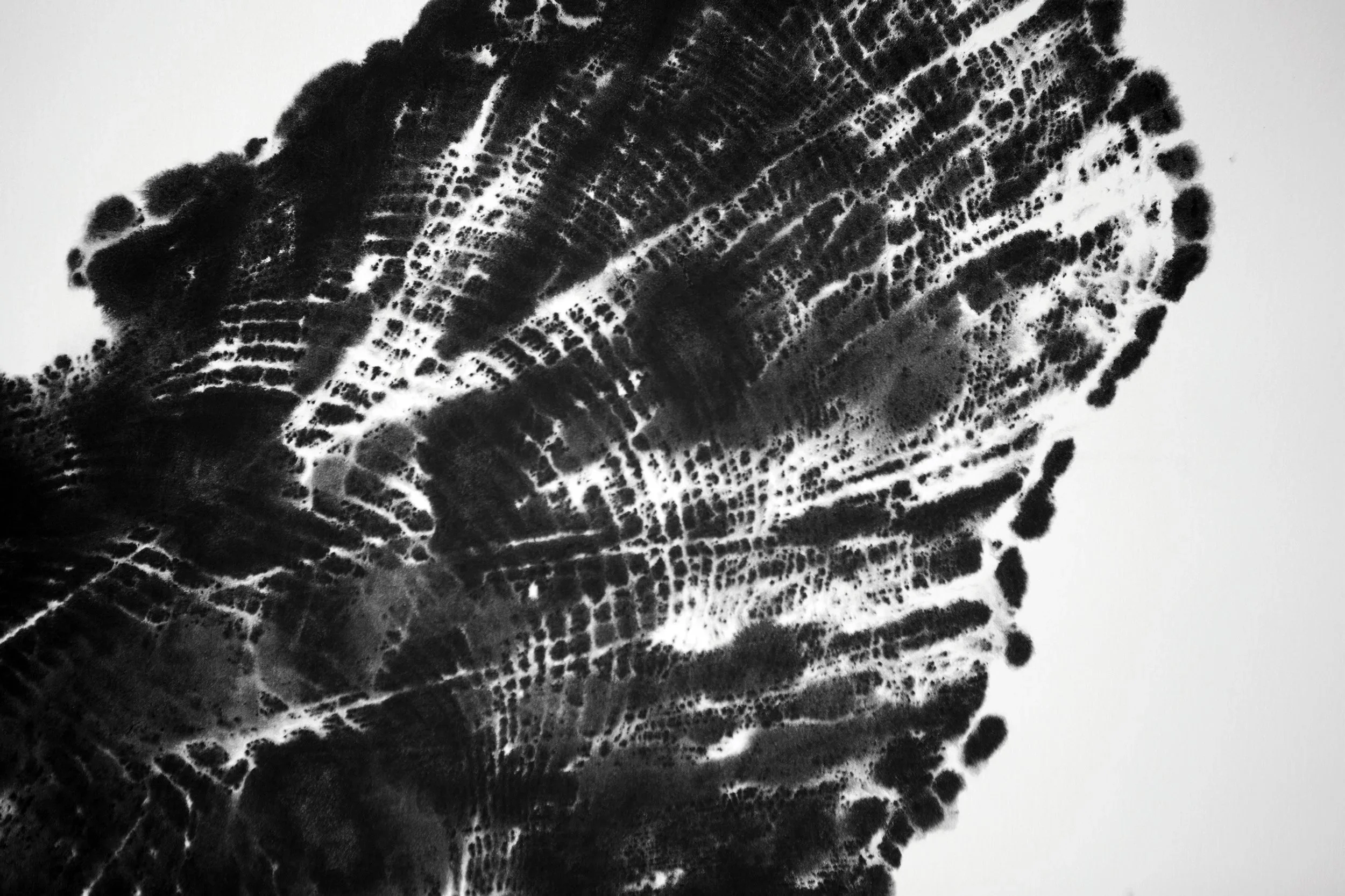
Earth – Cracks – Full / Empty: In-Situ Frottage
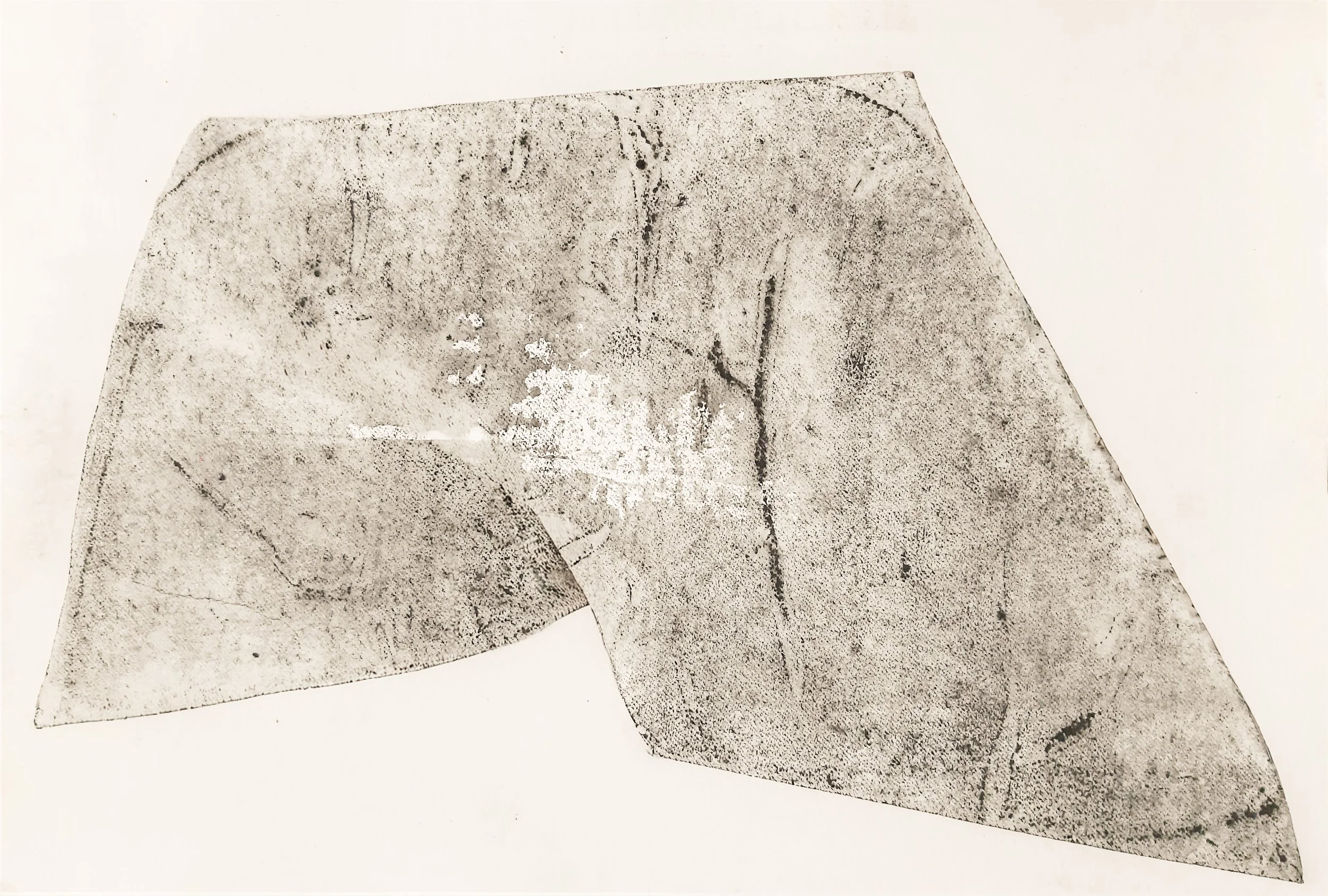
These are early in-situ frottage experiments — a direct manual technique — made near my home, focusing on cracks in dry earth. The process explores the relationship between full and empty, surface and depth, through direct contact with the terrain.